Fact Checked & Reviewed by Leonela Paladino
Leo has more than 17 years of valuable experience as a researcher and lecturer in Biology and Genetics. She holds a PhD in Biology…
Here is the advice you will get on every other 2C page: your waves are dry and starved for moisture, so drown them in hydrating shampoo and rich creams. I followed that exact playbook for years and my waves went limp, greasy at the roots, and somehow frizzy at the same time. The problem was never a lack of moisture. It was too much weight.
Type 2C is the trickiest wave pattern to get right precisely because it sits on the border of curly, so people treat it like a dry curl and bury it under heavy product. In reality, 2C waves are most often flattened by heavy products, over-conditioning, and buildup, not starved of hydration. Get the weight and the technique right and the definition you are chasing shows up on its own. With my friend, a hair scientist and cosmetic formulator with a PhD in chemistry, here is what 2C hair actually is, how to tell it apart from 2B and 3A, and a routine built on what your waves are really doing.
Short answer: Type 2C is the most defined wave in the type 2 family, with thick S-shaped waves that start near the root and can border on loose curls. It frizzes easily and gets weighed down fast, so it does best with lightweight products, a scalp-focused cleanse, and gentle styling, not heavy moisture layering.

What Is Type 2C Hair?
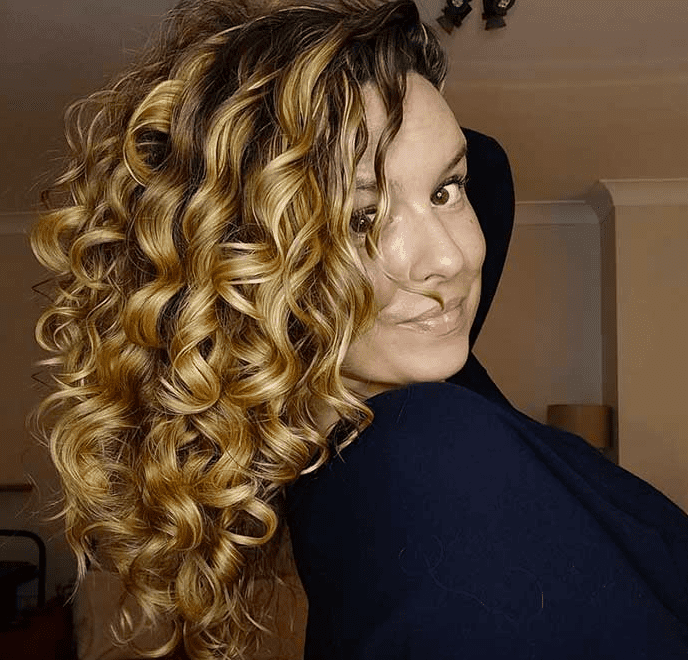
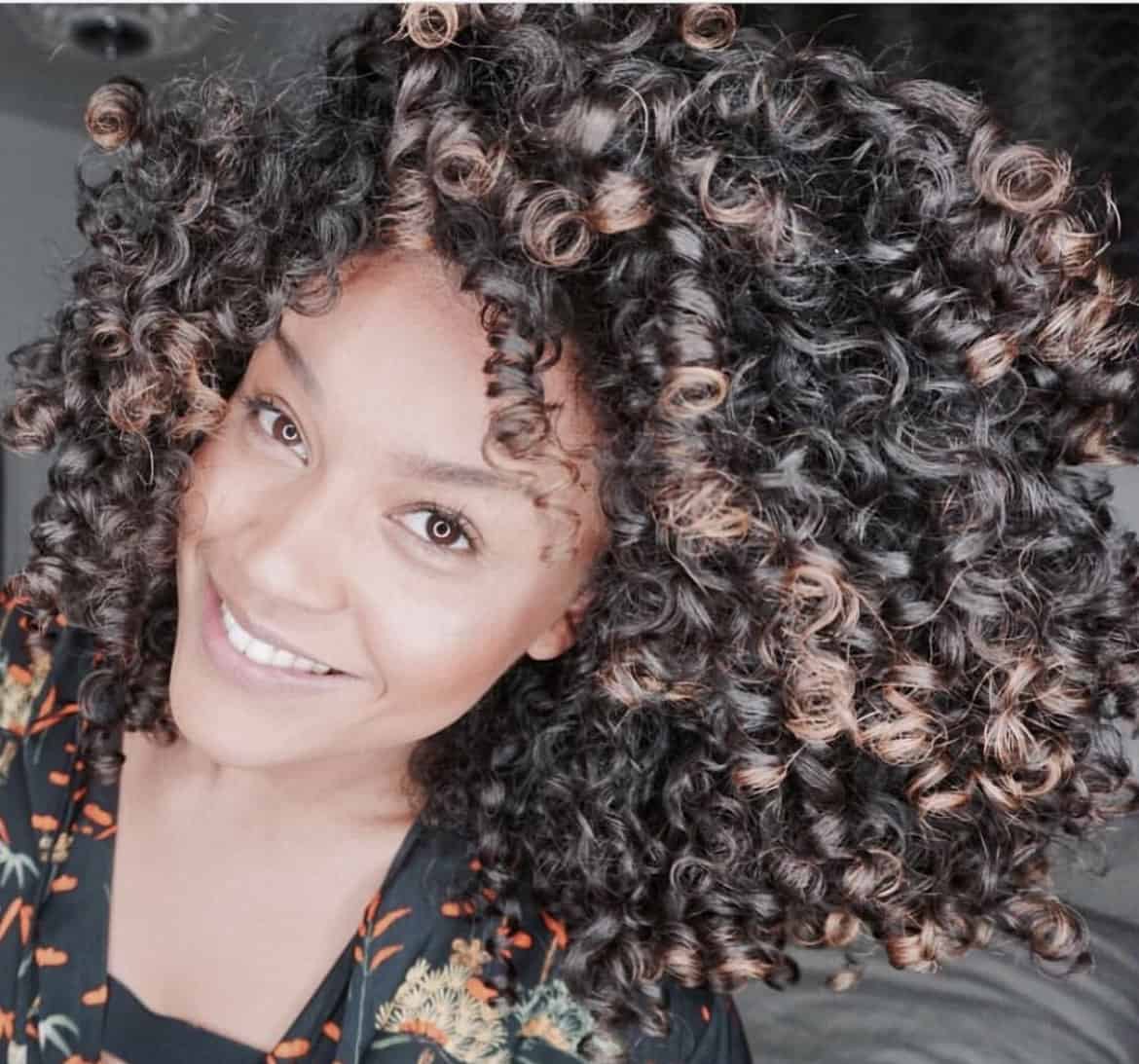
Type 2C is the waviest, most defined pattern in the type 2 (wavy) category. It forms thick, well-defined S-shaped waves that usually begin close to the root and can bend into loose curls toward the ends, which is why it is so often mistaken for type 3A. Strands tend to be thicker and more voluminous than 2A or 2B, and because the waves are tighter, 2C is the most frizz-prone of the wavy types.
Curl and wave patterns come from the shape of the hair follicle, with flatter, more oval follicles producing more wave. [1] But typing is a description, not a rulebook: many people have more than one pattern on the same head, often wavier at the crown and curlier underneath or at the ends. That is completely normal. Use 2C as a starting point for technique, not a label that dictates which bottle you buy. For the wider picture, see my wavy hair types guide and the full curly hair type guide.
How Do You Know If You Have 2C Hair?
The fastest tell is where your waves start. On 2C hair the S-shape begins right at or near the root; on 2A and 2B it usually starts lower, around the mid-lengths. A few more signs:
- Thick, well-defined S-shaped waves from root to ends, sometimes with loose ringlets at the tips
- Noticeable volume and body, often with frizz, especially in humidity
- Looks wavier in some sections and curlier in others
- When wet, the pattern looks like a stretched-out S; as it air-dries, the waves tighten and lift
- A single strand forms a flat, open S, not a round, three-dimensional spiral (that would be type 3)
Minimal shrinkage is another clue: type 2 hair stays close to its wet length as it dries, while type 3 curls spring up and shrink noticeably.
2B vs 2C vs 3A: How to Tell the Difference
These three sit side by side on the spectrum, which is why they get mixed up. Here is the quick comparison:
| 2B | 2C | 3A | |
| Pattern | Soft, looser S-waves | Thick, well-defined S-waves | Round spiral curls (ringlets) |
| Where it starts | Mid-lengths; flatter roots | At or near the root | At the root, full spirals |
| Volume | Moderate | High | High, lifts off the scalp |
| Frizz | Moderate, mostly in humidity | High, the frizziest wave | Moderate to high |
| Shrinkage | Minimal | Minimal to slight | Noticeable |
| Looks like | Classic beach waves | Almost-curly defined waves | Bouncy, defined ringlets |
Patterns can blend, and many people are 2C in places and 3A in others. Pick the pattern you see most and treat your hair by how it behaves, not by the number.


What Most 2C Guides Get Wrong
The biggest myth about 2C is that it is dry and needs more moisture. For most people the opposite is true: 2C waves are killed by weight, not thirst. Here is what to let go of.
- “Your waves are dry, pile on moisture.” Heavy creams, butters, and rich “hydrating” conditioners are the fastest way to flatten 2C. Frizz on 2C is usually a cuticle and humidity issue, not a sign your hair is parched. Reach for lightweight products first.
- “Wash less to protect your natural oils.” Washing does not strip moisture out of the strand, and under-washing lets oil and product build up at the roots, which is exactly what makes waves go limp and greasy. Wash when your scalp needs it.
- “Finish with a cold-water rinse to seal the cuticle.” Cold water does not seal anything or lock water in. The smoothness you feel after rinsing is conditioner flattening the cuticle, not temperature.
- “You must go sulfate-free.” Sulfates are not villains and sulfate-free is a preference, not a rule. Pick a cleanser by how your hair feels after, clean but not stripped, not by what the label leaves out.
- “Match your products to your porosity.” Porosity describes the condition of your cuticle on a damage spectrum, not a fixed type you shop by. Choose by what your hair is doing now, not a float-test label. More in Hair Porosity 101.
How to Care for Type 2C Hair
Wavy hair is more fragile than straight hair because of the bends in the fiber, and scalp oils travel down a wavy strand less easily, so the ends read drier than the roots. [1] The routine below works with that, keeping cleansing at the scalp and weight off the waves.
Cleanse at the Scalp
Most of the cleaning that matters happens at the scalp, where oil and product collect. Work a gentle shampoo into your scalp with your fingertips and let the suds rinse down through your lengths. Match the cleanser to what your hair is doing: a gentle everyday wash most of the time, and an occasional clarifying wash when waves feel coated or limp. If your roots get oily fast, see shampoo for oily curly hair; for the full breakdown of choosing a cleanser, start with my guide to the best shampoos for curly hair.
Condition the Mid-Lengths and Ends
Follow every wash with a lightweight conditioner with good slip, applied from the mid-lengths down and kept off the roots. Squish it through soaking-wet hair to detangle, then rinse. This is where most of the softness and definition comes from. Skip rich, heavy formulas that flatten 2C; you want slip, not a coating.
Style on Soaking-Wet Hair
Apply your stylers to very wet hair so they distribute evenly and clump the waves. A light mousse, gel, or styling jelly defines and holds without stiffness; a small amount of light curl cream can add definition if your hair can take it. Scrunch upward to encourage the S-shape, then leave it alone. Less product, applied well, beats more product every time on 2C. For hold options, see my best gels for curly hair.
Dry Without Disturbing the Pattern
Touching waves while they dry is the number one cause of frizz. Plop in a microfiber towel or an old cotton tee for a few minutes to absorb water with less friction, [2] then either air-dry or diffuse on low to medium heat and low speed until about 80 percent dry. Once fully dry, scrunch out any gel cast for soft, defined waves.
Use Heat Carefully
High, direct heat weakens the cuticle and leads to dryness, frizz, and breakage over time, [3] so keep hot tools occasional and always use a heat protectant. A diffuser on a moderate setting is the gentlest way to speed up drying while keeping your wave pattern intact. Wash with warm rather than very hot water for the same reason.
Protect Your Waves Overnight
Friction from a cotton pillowcase roughs up the cuticle and flattens waves. A satin or silk pillowcase, scarf, or bonnet cuts that friction so you wake up with more of your pattern intact.
Get Layers and Regular Trims
Even on long hair, layering removes excess bulk and lets 2C waves fall more evenly and hold their shape. Ask for a cut shaped to your natural pattern, and keep up with trims to keep ends from looking stringy.
Try a Pre-Wash Oil (Optional)
If your ends feel rough, a light coconut-oil pre-poo before shampooing can help: coconut oil is one of the few that actually penetrates the strand and limits protein loss during washing. [4] Use a little on the lengths, not the scalp, and rinse well so you do not weigh your waves down.
Why Your 2C Waves Fall Flat or Frizz
Nine times out of ten it is weight, buildup, or handling, not a moisture shortage. Run through these before you buy anything new:
- Too much or too heavy product: rich creams and oils at the roots drag waves straight. Go lighter and apply less.
- Buildup: product, oils, or co-washing residue coat the hair and kill the pattern. If hair feels coated even after washing, clarify or read what scalp buildup really is.
- Not enough hold for the humidity: a light gel or jelly gives waves something to set into so they hold up against moisture in the air.
- Touching while drying: hands in your hair before it sets equals frizz. Set it, then leave it.
Product Suggestions for Type 2C Hair

Lean lightweight: products that define and hold without weight. Pick by the job, not by the number on the bottle, and check the current label before buying since formulas change.
Gentle Shampoos
Jessicurl Gentle Lather Shampoo, Not Your Mother’s Curl Talk, and Curlsmith Wash and Scrub Detox (as an occasional scalp reset). All clean without leaving 2C limp.
Lightweight Conditioners
Briogeo Curl Charisma, MopTop Daily, Jessicurl Aloeba Daily, or Bounce Curl Super Smooth, used mid-to-ends for slip without heaviness.
Leave-Ins
Briogeo Curl Charisma Leave-In Crème (sparingly) or a light spray like Briogeo Farewell Frizz or Giovanni Direct Leave-In for hydration that does not weigh waves down.
Curl Creams (Use Sparingly)
Aveda Be Curly, Innersense Quiet Calm Curl Control, or Moroccanoil Curl Defining Cream. Start with a dime-sized amount and build only if your waves can take it.
Gels
Jessicurl Spiralicious, dippity-do Girls With Curls, Giovanni L.A. Hold, or MopTop Curly Custard for hold and definition with a scrunchable cast.
Mousses and Foams
Innersense I Create Lift, Not Your Mother’s Curl Talk Mousse, or Oribe Grandiose for lightweight volume and wave definition.
Deep Conditioners (As Needed)
As I Am Hydration Elation or Jessicurl Deep Conditioning Treatment when ends feel dry. Use a light hand so you do not flatten your waves. For help choosing, see my deep conditioner showdown.
Occasional Clarifier
Suave Essentials Daily Clarifying or Kinky-Curly Come Clean (which also chelates hard water) when buildup or minerals dull your waves. Use occasionally, not every wash.
Co-Wash (Optional, With a Caveat)
As I Am Coconut Co-Wash, can refresh between washes, but a co-wash does not truly clean an oily scalp and can build up on 2C. Keep shampooing your scalp when it needs it.
Can You Use the Curly Girl Method on 2C Hair?
You can borrow from it, but the strict version usually backfires on 2C. The genuinely useful CGM habits, gentle cleansing, styling on wet hair, diffusing instead of rough towel-drying, all suit 2C. The parts that cause trouble are the dogmatic ones: co-wash-only cleansing and heavy product layering build up fast on waves and flatten them, and the blanket “no sulfates ever” rule is not necessary. Take the techniques, leave the rules. More on which ingredient claims actually hold up in my Curly Girl Method ingredients guide.
Frequently Asked Questions
Is 2C hair curly or wavy?
Technically wavy. It is the most defined pattern in the type 2 wavy family and can border on loose curls at the ends, which is why it is so often mistaken for 3A, but its signature is an S-shape rather than a full spiral.
How do I make my 2C hair more defined?
Style on soaking-wet hair with a light gel or jelly, scrunch upward, and stop touching it while it dries. Definition on 2C comes from technique and the right amount of hold, not from heavier products.
Why is my 2C hair so frizzy?
Usually handling and humidity, not dryness. Touching waves as they dry, skipping a light hold product, and rough towel-drying are the main culprits. Plop, set with a light gel, and leave it alone.
Why do my waves go flat and greasy?
Almost always weight and buildup: heavy products at the roots, too much product, or co-washing residue. Go lighter, and clarify when hair feels coated.
Does 2C hair get oily?
It can, especially at the roots, since oil sits at the scalp rather than traveling down a wavy strand. Cleanse your scalp on the schedule it needs; see shampoo for oily curly hair if greasy roots are your main issue.
Can 2C hair become curlier?
Your follicle shape sets your pattern, but better technique, less weight, and healthier ends can make existing waves look much more defined and curlier than they do when weighed down or heat-damaged.
Keep going: Build the full routine and zero in on your hair with these next.
- How to establish a curly hair care routine
- Wavy hair types: 2A, 2B, and 2C
- Best shampoos for curly hair
- Best gels for curly hair
References
1. Cloete, E., Khumalo, N. P., & Ngoepe, M. N. (2019). The what, why and how of curly hair: a review. Proceedings of the Royal Society A, 475(2231), 20190516.
2. McMichael, A. J. (2007). Hair breakage in normal and weathered hair: focus on the Black patient. Journal of Investigative Dermatology Symposium Proceedings, 12(2), 6-9.
3. Gavazzoni Dias, M. F. R. (2015). Hair cosmetics: an overview. International Journal of Trichology, 7(1), 2-15.
4. Rele, A. S., & Mohile, R. B. (2003). Effect of mineral oil, sunflower oil, and coconut oil on prevention of hair damage. Journal of Cosmetic Science, 54(2), 175-192.
Keep Reading