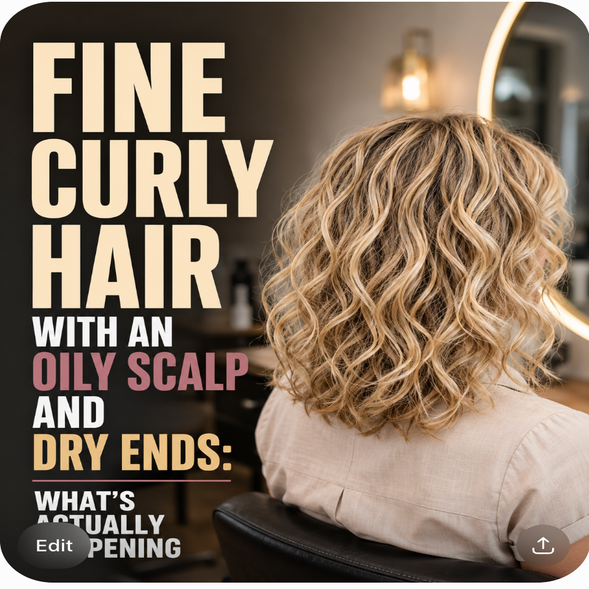
If you have curly hair and want more volume and movement without sacrificing all your length, a curly wolf cut might be worth considering.
This textured haircut can create lift around the crown while maintaining longer curls through the ends. Depending on your curl pattern, density, and how the layers are placed, the finished look can range from softly tousled to dramatically shaggy.
However, the placement of those layers matters. Cutting too much weight from fine or low-density hair can leave the ends looking sparse, while overly short layers may create unexpected volume or shrinkage.
In this guide, you’ll learn how a curly wolf cut differs from a shag or mullet, which hair types it suits, how to ask for the right layers, and what to expect when styling and maintaining the haircut.
What Is a Wolf Cut for Curly Hair? (Quick Answer)
https://www.instagram.com/reel/DWdXHUdjveI/?utm_source=ig_web_copy_link&igsh=MzRlODBiNWFlZA==
A curly wolf cut is a heavily layered haircut that combines the shaggy texture of a shag with the shorter crown layers and longer lengths of a mullet. It typically features shorter layers around the crown for volume, longer layers that create movement, and optional curly bangs or face-framing pieces.
On curly hair, these layers can reduce excess weight, encourage curls to spring up, and create a fuller, more rounded shape at the top. However, the results depend on your curl pattern, hair density, and how much length and weight are removed.
What Is A Wolf Cut?

What distinguishes a wolf cut from other layered hairstyles is its silhouette. Shorter layers create lift around the crown, while longer lengths produce a tapered shape toward the ends. The contrast between these sections can be subtle or pronounced, depending on the desired look.
Bangs are common but optional. Depending on the desired look, they can be full and textured, wispy, curtain-style, or cut to follow the natural curl pattern.
Wolf cuts can also vary in how dramatic the layering appears. A softer version features more blended layers and a gradual transition between lengths, while a more pronounced wolf cut has shorter crown layers, stronger texture, and a noticeable contrast between the top and bottom.
On curly hair, the shape can look especially voluminous because curls naturally expand and contract along the layered lengths. This makes careful layer placement important, particularly for tighter curl patterns or hair that experiences significant shrinkage.
Wolf Cut vs Shag vs Mullet: What’s the Difference?
If you’re considering a wolf cut, you’ve probably noticed how similar it looks to a shag or mullet. All three haircuts use layers to create movement and texture, but the differences come down to layer placement, length distribution, and the overall silhouette.
Wolf Cut

Compared with a traditional shag or mullet, a wolf cut typically creates a more tapered silhouette, with fullness concentrated around the crown and longer, lighter-looking lengths below.
On curly hair, this contrast can become more pronounced as shorter curls spring upward. The amount of separation between the upper and lower layers determines whether the result looks soft and blended or more dramatic.
Shag Cut

A shag haircut features multiple layers throughout the hair, often with shorter layers around the crown and face. Unlike a wolf cut, which typically emphasizes a more tapered silhouette, a shag can create a fuller, more evenly distributed shape.
Shags range from soft and blended to heavily textured and choppy, depending on the cutting technique.
For curly hair, a shag may be a good option if you want movement and volume throughout the haircut without emphasizing the longer, tapered ends associated with a wolf cut.
Mullet

A mullet is characterized by shorter hair at the front and sides with noticeably longer hair in the back.
While modern mullets can incorporate softer layers and more blended transitions, the difference between the shorter front and longer back remains a defining feature.
On curly hair, a mullet can create a distinctive silhouette by concentrating shorter curls around the top and sides while preserving more length at the back.
Which Haircut Is Better for Curly Hair?
There isn’t one haircut that’s best for every curl pattern. The right choice depends on the shape you want, your hair density, and how your curls respond to layering.
- Wolf cut: A good option if you want crown volume, textured layers, and a tapered silhouette while maintaining some length.
- Shag cut: Worth considering if you prefer movement and volume distributed throughout the hair, with a more rounded or balanced shape.
- Mullet: Best suited to someone who wants a more noticeable contrast between shorter front and side sections and longer hair at the back.
Regardless of which haircut you choose, curl shrinkage and hair density should influence where the layers are placed. Bring reference photos to a stylist experienced in cutting curly hair, ideally showing a curl pattern and density similar to yours.
What Type of Hair Works Best With a Wolf Cut?
A wolf cut can be adapted to straight, wavy, curly, and coily hair, but the amount and placement of layering should reflect your hair’s natural characteristics.
- Wavy hair: Layers can create movement and a tousled shape, although looser waves may benefit from softer layering.
- Curly hair: Shorter crown layers can create lift and reshape the overall silhouette. Curl shrinkage should be considered when choosing layer lengths.
- Thick or high-density hair: Strategic layering may reduce excess bulk and help distribute volume.
- Fine or low-density hair: Longer, more conservative layers can help maintain fullness through the ends.
Strand thickness and density are different. Fine strands can grow densely, while coarse strands can grow sparsely. Both characteristics influence how much weight can be removed without compromising the shape.
The examples below illustrate how wolf cuts can be adapted to different textures and densities.
Wolf Cut for Wavy Hair: Will It Work for 2A, 2B, and 2C?
A wolf cut can be a flattering option for wavy hair, especially if you want more movement, texture, and volume. However, not every wave pattern responds to layering in the same way.
The key is finding the right balance between shorter layers that create shape and enough length and weight to support your natural waves.
Wolf Cut for 2A Wavy Hair

Type 2A hair typically has loose, subtle S-shaped waves that may appear almost straight in some areas.
A wolf cut can add movement and dimension to this texture, particularly when layers are placed around the crown and face. However, excessive layering can make the ends look thin or create a disconnected shape, especially if your hair is fine or low in density.
For 2A waves, softer layers and longer face-framing pieces may be a good starting point if you want a more subtle wolf cut.
A lightweight mousse and gentle scrunching can help support your natural wave pattern without adding unnecessary weight.
Wolf Cut for 2B Wavy Hair

Type 2B hair generally has more noticeable S-shaped waves, often beginning around the mid-lengths.
A wolf cut can complement this texture by introducing shorter layers that create movement around the crown and face. Removing some weight may also help waves spring up, depending on your hair’s density and natural pattern.
However, excessive layering can make the ends appear less full, particularly if your strands are fine or your hair is prone to frizz.
Ask your stylist to preserve enough weight through the perimeter while creating the textured, layered shape you want.
Wolf Cut for 2C Wavy Hair

Type 2C hair typically features stronger, more defined S-shaped waves, with some sections that may form loose curls.
A wolf cut can work particularly well with this texture because carefully placed layers can reduce excess weight, create movement, and help balance volume around the crown and lengths.
One consideration is shrinkage. Depending on your natural wave pattern, shorter layers and bangs may appear shorter once your hair dries.
A stylist experienced with textured hair can help determine appropriate layer lengths while accounting for your hair’s natural movement and shrinkage.
A note about fine wavy hair: If your strands are fine or your hair is low in density, ask your stylist to preserve fullness around the perimeter. A softer wolf cut with less aggressive layering may create movement without leaving the ends looking sparse.
Wavy wolf cuts often benefit from lightweight styling products that provide hold without weighing down the layers. A mousse or gel can help support wave definition, while diffusing may create additional lift around the crown. For a complete routine, see the styling instructions below.
Best Wolf Cut Layers for 3A, 3B, and 3C Curly Hair
A wolf cut can create beautiful volume and movement on naturally curly hair, but the placement and length of the layers make a significant difference in the finished shape.
Unlike straight hair, curls contract as they dry, which can make shorter layers appear even shorter than expected. The tighter the curl pattern, the more noticeable this shrinkage may be, although the amount varies from person to person.
The key is to create enough layering to encourage movement and crown volume without removing so much weight that the ends appear thin or the overall shape becomes unbalanced.
Wolf Cut for 3A Curly Hair

Type 3A hair typically forms large, loose spiral curls that can become elongated when weighed down by longer lengths.
A wolf cut with shorter crown layers can help reduce some of that weight, allowing the curls around the top of the head to spring up and create a fuller-looking silhouette.
For 3A curls, consider:
- Soft to moderate crown layers that encourage volume without creating a dramatic separation between the top and bottom.
- Longer face-framing layers that blend into the overall haircut while maintaining curl definition.
- A fuller perimeter to prevent the longer sections from appearing too thin or wispy.
If your 3A hair is fine or low in density, a softer wolf cut with fewer short layers may help preserve the appearance of fullness.
Wolf Cut for 3B Curly Hair

Type 3B hair generally forms springy, well-defined ringlets that can create noticeable volume throughout the haircut.
Because these curls already have a naturally rounded shape, the placement of shorter layers is especially important. Too much layering around the crown can create excessive fullness at the top while leaving the lower lengths looking comparatively sparse.
For 3B curls, consider:
- Graduated crown layers that distribute volume rather than concentrating it in one area.
- Face-framing pieces cut with shrinkage in mind so they don’t become shorter than intended when dry.
- Blended layers through the sides and back to maintain a balanced transition between the crown and longer lengths.
A well-executed wolf cut can give 3B curls a defined, textured silhouette while preserving their natural spring and movement.
Wolf Cut for 3C Curly Hair

Type 3C hair typically features tighter, densely packed corkscrew curls that may experience substantial shrinkage.
With this curl pattern, shorter layers can create dramatic volume, but cutting them too short may cause the crown to appear much fuller than the longer sections.
For 3C curls, consider:
- Longer crown layers initially to account for shrinkage and avoid removing too much length at once.
- Carefully distributed layering that maintains fullness through the sides and ends.
- Conservative face-framing layers or bangs that are evaluated in their natural, dry state before additional length is removed.
If your 3C hair is also high in density, strategic layering may help reduce excess bulk. However, high density doesn’t automatically mean that aggressive thinning or extensive weight removal is necessary.
A softer, more blended wolf cut may be preferable if you want crown volume without creating a pronounced difference between the upper and lower sections.
Why Curl Shrinkage Matters When Cutting Wolf Cut Layers
Curl shrinkage is one of the most important considerations when choosing layer lengths for a curly wolf cut.
A section that appears relatively long when wet or stretched may sit considerably higher once it returns to its natural curl pattern. This can affect the crown, bangs, and face-framing pieces.
Before committing to shorter layers, ask your stylist to evaluate how your curls naturally fall when dry.
Whether the haircut is performed wet, dry, or with a combination of techniques, the finished shape should be assessed with your curls in their natural state.
Remember: Curl type is only one factor in choosing the right wolf cut layers. Hair density, strand thickness, shrinkage, and your preferred silhouette are equally important when determining how short the layers should be.
Curly Wolf Cut Hairstyle Ideas
Wolf cuts can look different depending on curl pattern, hair length, bangs, and how dramatically the layers are cut. The examples below show several variations, from softer, blended layers to fuller crown volume and more pronounced face-framing pieces.


How to Ask for a Curly Wolf Cut at the Salon
If you’re considering a curly wolf cut, visiting a stylist experienced with textured hair is usually the best approach. The haircut relies on carefully placed layers to create volume around the crown while maintaining enough length and fullness through the ends.
Bring reference photos that show the amount of layering, crown volume, and overall shape you want. Ideally, choose examples featuring a curl pattern and hair density similar to yours.
Before the haircut, discuss these important details with your stylist:
- Crown layers: Explain how much volume you want at the top without creating excessive bulk or an uneven silhouette.
- Face-framing layers: Decide whether you prefer shorter pieces around your cheeks and jawline or longer layers that blend into the rest of your hair.
- Bangs: If you want curly bangs, consider how much they will shrink once your hair dries.
- Length and fullness: Discuss how much length you want to preserve, particularly if your hair is fine or low in density.
- Cutting technique: Ask how your stylist accounts for your natural curl pattern and shrinkage, whether they cut your hair dry, wet, or use a combination of techniques.
Before your appointment ends, ask your stylist to show you how the finished layers sit when your curls are dry and how to style the shorter crown and face-framing sections at home.
How to Style a Curly Wolf Cut for Maximum Definition and Volume
The right styling routine can help your wolf cut maintain definition through the lengths while creating lift around the shorter crown layers. You don’t need an elaborate routine, but product weight, application technique, and drying method can influence the finished shape.
Step 1: Start With Hydrated Hair
After washing and conditioning, apply a lightweight leave-in conditioner if your hair needs additional conditioning.
Focus on the mid-lengths and ends, particularly if they’re prone to dryness. If you have fine hair or easily weighed-down curls, use a small amount to avoid flattening the shorter crown layers.
Step 2: Apply a Styling Product for Hold and Definition
Choose a mousse, gel, or curl cream based on your hair’s needs.
- Mousse: Can provide lightweight hold and volume, making it useful for fine curls or hair that tends to fall flat.
- Gel: Helps maintain curl definition and control frizz, particularly when humidity affects your hairstyle.
- Curl cream: Can add softness and conditioning, but heavier formulas may reduce volume on fine or low-density hair.
You don’t necessarily need all three products. Start with one styling product and adjust according to how your curls respond.
Step 3: Encourage Curl Clumps and Shape
Distribute your styling product evenly through wet or damp hair.
Gently scrunch upward to encourage curl formation, paying attention to the shorter layers around the crown and face.
If you prefer larger, more defined curl clumps, use a styling brush or finger-coiling technique on selected sections.
Avoid excessive manipulation once your curls begin drying, as this can disrupt clumps and contribute to frizz.
Step 4: Diffuse for Volume
Air drying can create a softer finish, but diffusing may help you achieve more lift around the crown.
Use a diffuser attachment with low airflow and a comfortable heat setting. Start by drying the roots, then gently cup sections of hair in the diffuser to support the curls as they dry.
Avoid repeatedly moving or touching your hair while it’s wet.
Step 5: Finish and Adjust the Shape
Once your hair is completely dry, gently scrunch out any firm gel cast if you prefer a softer finish.
Use your fingertips or a hair pick to lift the roots and create additional volume around the crown.
If your wolf cut includes bangs, arrange them while damp so they dry in the direction you want.
How to Maintain a Curly Wolf Cut
Once you’ve found a styling routine that works, maintaining your curly wolf cut comes down to refreshing flattened curls, protecting your hair overnight, managing product buildup, and keeping the layers in shape as they grow.
Refresh Your Curls Between Wash Days
If your curls become flattened overnight, lightly mist the affected sections with water or a curl-refreshing spray.
Apply a small amount of mousse or gel if additional hold is needed, then gently scrunch or reshape individual curls.
Focus on the crown and face-framing pieces, since these shorter layers help define the wolf cut’s silhouette.
Protect Your Hair Overnight
Sleeping on a satin or silk pillowcase or using a satin bonnet can help reduce friction and preserve curl definition.
If your hair is long enough, loosely gathering it into a pineapple may help prevent the crown layers from becoming flattened.
Schedule Regular Trims
As your hair grows, the shorter layers around the crown gradually become longer, which can change the haircut’s volume and overall shape.
Many people benefit from reassessing the shape approximately every 8 to 12 weeks, although the ideal trimming schedule depends on hair growth, the haircut’s design, and personal preferences.
Avoid Excessive Product Buildup
Using multiple heavy creams, oils, or styling products can weigh down curls and reduce the volume that makes a wolf cut distinctive.
Choose products according to your strand thickness, density, and styling needs. Cleanse thoroughly as needed to remove buildup and help your curls maintain their natural movement.
What Are the Pros and Cons of the Wolf Cut?

A curly wolf cut can offer more shape and styling flexibility, but it also comes with a few considerations.
Pros of a Curly Wolf Cut
- Creates crown volume: Shorter layers can help curls spring upward instead of being weighed down by longer lengths.
- Adds movement and shape: Layering can give curls a more structured silhouette while maintaining some length.
- Can reduce excess bulk: Carefully placed layers may make high-density curls easier to shape.
- Offers styling versatility: Choose softer layers for a subtle look or more dramatic layering for a shaggy, textured finish.
Cons of a Curly Wolf Cut
- Over-layering can thin out the ends: Removing too much weight may leave fine or low-density hair looking sparse.
- Shrinkage can affect the shape: Bangs and shorter crown layers may appear shorter once curls dry.
- Some styling may be necessary: Maintaining crown lift and definition may require occasional refreshing or diffusing.
- The haircut needs reshaping as it grows: Shorter layers gradually lose their original proportions, and correcting an overly dramatic cut takes time.
What Happens When a Wolf Cut Grows Out?
As a wolf cut grows, its shorter crown layers and longer lengths gradually shift away from their original proportions. The haircut may begin looking softer and more blended, sometimes resembling a longer shag.
How quickly this happens depends on your starting length, hair growth rate, curl pattern, and how dramatically the layers were cut.
The First 2 to 3 Months
During the first few months, your wolf cut may retain much of its original shape.
As the shorter crown layers and face-framing pieces grow, you might notice that some of the volume begins sitting lower.
For curly and wavy hair, natural texture can help preserve the tousled appearance, although you may need to adjust how you style the roots and shorter sections.
Around 4 to 6 Months
As your hair continues growing, the shorter layers become longer, and the original contrast between the crown and ends may become less noticeable.
Depending on the initial haircut, your wolf cut might begin resembling a longer shag with softer, more blended layers.
You may also notice longer bangs, less lift around the crown, or additional weight through the lengths.
At this stage, you can decide whether to reshape the haircut or continue growing it out.
After 6 Months or Longer
After several months of growth, the original wolf cut silhouette may look noticeably different.
Although the layers generally grow at similar rates, they started at different lengths, so the haircut doesn’t automatically become one length.
If you want to maintain a dramatic wolf cut, your stylist can reshape the crown and face-framing layers.
If your goal is longer hair, they can gradually blend the shorter sections while preserving as much length as possible.
These timeframes are approximate. Individual hair growth rates, curl shrinkage, and trimming habits all influence how the haircut changes.
If you’re growing out your wolf cut, you can continue using your regular curl-refreshing routine while gradually transitioning to longer, more blended layers. A stylist can also reshape uneven-looking sections without necessarily removing significant length.
Frequently Asked Questions About Wolf Cuts
Why Is It Called a Wolf Cut?
The name refers to the haircut’s wild, tousled appearance, with textured layers that create an intentionally shaggy, slightly untamed look.
Why Is the Wolf Cut So Popular?
The wolf cut combines the nostalgic appeal of shag and mullet hairstyles with modern, customizable layering. Its textured shape can create movement and the appearance of more volume, making it appealing to people who prefer a relaxed, lived-in hairstyle.
What’s the Difference Between Layers and a Wolf Cut?
Layers are a general haircutting technique, while a wolf cut is a specific layered style characterized by shorter crown layers and longer, tapered lengths. Not every layered haircut creates a wolf cut silhouette.
How Much Does a Wolf Cut Cost?
The cost of a wolf cut depends on your location, salon, stylist’s experience, and the complexity of the haircut. Some salons may charge approximately $80 to $150, while specialized curly haircuts or services at higher-end salons can cost more.
Ask whether the quoted price includes washing, styling, and any additional curly-hair cutting services.
Does a Wolf Cut Work for Wavy Hair?
Yes. A wolf cut can complement 2A, 2B, and 2C wavy hair by adding movement and creating a more textured shape. The best layer lengths depend on your wave pattern, strand thickness, and hair density.
Can a Wolf Cut Work With Thick Hair and Short Layers?
Yes. Thick or high-density hair can benefit from shorter crown layers that redistribute weight and create shape. However, removing too much hair can leave the ends looking sparse, so the amount of layering should be customized to your density and desired silhouette.
Is the Wolf Cut Worth It for Curly Hair?
A curly wolf cut can be worth trying if you want more crown volume, movement, and a layered shape while keeping some length.
The most important factor is choosing layers that complement your curl pattern, density, and natural shrinkage. A softer cut may be better if you want to preserve fullness, while more dramatic layering can create a bolder silhouette.
If you’re considering the style, bring reference photos to a stylist experienced with curly hair and discuss how much length and volume you want to maintain.