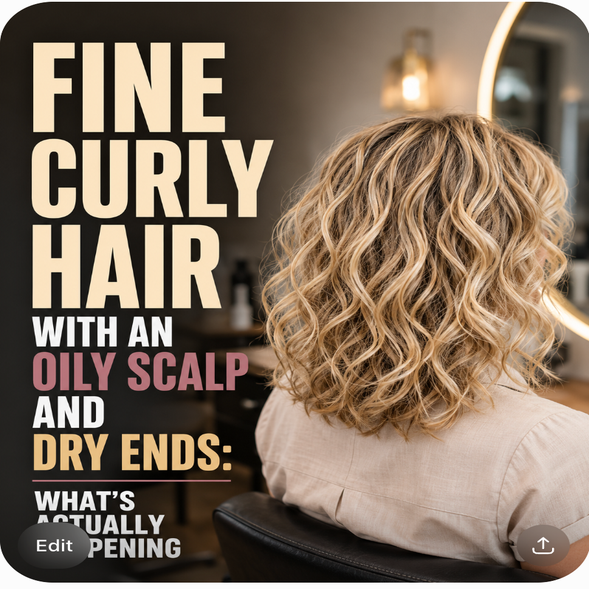
You did everything right. You toned last month, you’re not a smoker, you don’t swim every week, and that yellow cast is creeping back in anyway, and you can’t figure out why. Maybe you’ve already tried the obvious fixes: more purple shampoo, a richer conditioner, staying out of the sun a little more. None of it sticks, because you’re treating a symptom without knowing which of several genuinely different causes is actually behind it. Working with my friend, a hair science specialist with a PhD in chemistry, here’s what’s really going on: hair yellowing has close to a dozen distinct causes, incomplete bleaching, hard water, sun exposure, even specific medications, and each one needs its own fix. Treat hard water like it’s sun damage, or sun damage like it’s just buildup, and you’ll keep spinning your wheels on something that was never going to work. Here’s how to actually figure out which one is yours.
| Hair yellowing happens for several distinct reasons: incomplete or improperly balanced bleaching, sun exposure breaking down melanin and oxidizing the amino acid tryptophan, hard water mineral buildup, chlorine, heat styling, and for grey or white hair specifically, reduced melanin combined with product buildup, certain medications, and even specific ingredients like selenium sulfide dandruff shampoo or self-tanner. A purple or blue toning product neutralizes the visible yellow; a chelating shampoo removes the mineral buildup a toning product can’t touch. Identifying which cause is actually yours determines which fix actually works. |

Understanding the Yellowing of Bleached Hair
Bleached hair develops a yellow tint because hydrogen peroxide breaks down melanin, the pigment in hair, and how completely that happens depends on the peroxide’s concentration (10 to 40 volume) and the mixture’s pH.[1,2,3] Two types of melanin are involved: eumelanin (brown and black tones) and pheomelanin (red and yellow tones), and they react differently during bleaching.
When peroxide volume is too low or pH isn’t properly controlled, the result is often an incomplete lift that leaves a yellow or brassy undertone rather than the clean blonde or silver that was the goal. Metal ions, calcium, magnesium, copper, and iron, can also deposit during this process and contribute to unwanted yellowing and damage.
Causes of Blonde and Bleached Hair Turning Yellow
Sun Exposure
Melanin acts as hair’s natural antioxidant, and losing it through bleaching removes that protection.[4] UV radiation oxidizes hair’s proteins and lipids, this same mechanism degrades the amino acid tryptophan into kynurenines, oxidized compounds with a yellow color of their own, which is a big part of why sun-faded hair leans yellow specifically rather than just lighter.[5,6,7]
We go deep on this entire mechanism, including how it affects protein and lipid structure beyond just color, in our hair photobleaching guide, this post focuses on yellowing specifically across all its causes, that one is the full science of sun damage.
Chlorine Exposure
Pool water’s chlorine content, even at low concentrations, can initiate oxidation in hair fibers through a similar free-radical mechanism to UV damage, targeting the amino acids in the hair shaft and contributing to yellowing over repeated exposure.
Hard Water
Hard water deposits calcium and magnesium on the hair shaft with repeated washing, and that mineral buildup contributes to yellowing along with dullness, dryness, and reduced manageability, more pronounced the harder your local water supply is.
Heated Styling Tools
Heat from dryers, curling irons, and flat irons damages hair proteins and keratin fibers directly, and it strips natural oils along the way, both of which make hair more susceptible to the kind of oxidative changes that show up as yellowing over time.
Causes of Yellowing Grey and White Hair

Grey hair yellows more visibly than pigmented hair for a structural reason: less melanin means less natural antioxidant protection, and the hair shaft itself becomes thinner and more translucent with age, both of which make any yellow cast, from any cause, more visible. Beyond the causes above (sun, chlorine, hard water, heat), grey and white hair has a few additional culprits worth naming specifically:
- Smoking and air pollution, both introduce compounds that stain the hair shaft directly.
- Product buildup, silicones especially can accumulate on the hair’s surface and read as dullness plus a yellow cast over time.
- Certain medications and specific ingredients: a clinical review identified selenium sulfide anti-dandruff shampoo and dihydroxyacetone (the active ingredient in self-tanners) as documented causes of yellow hair discoloration, worth ruling out if you use either regularly and notice new yellowing.[8]
- Stress, nutritional deficiencies, and autoimmune conditions can all affect hair color and texture as part of broader physiological changes.
If yellowing is sudden, pronounced, or paired with other symptoms, it’s worth mentioning to your doctor or a dermatologist to rule out an underlying cause, rather than assuming it’s purely cosmetic.
Do Natural Oils Cause Yellowing?
Sometimes, and it depends heavily on the oil and your hair’s color. Most natural oils (coconut, shea butter) are colorless or near-colorless and don’t contribute coloring agents to the hair, they’re generally safe choices for grey, silver, or blonde hair specifically because of this.
Argan oil is the notable exception. Its natural color ranges from orange to dark yellow, and applied directly to silver, grey, or blonde hair in a concentrated, unemulsified form, it can genuinely deposit a yellow tint on the surface of the strand. The same oil in a shampoo, conditioner, or mask is a different story, those formulations typically contain argan oil at 0.25% to 2.5%, blended into a water-based product, and the risk of yellowing at that concentration is very low. If you’re using a pure, concentrated argan oil on light hair, a patch test on a small section first is a reasonable precaution.
Preventing Hair Yellowing
Solar Protection
Since sun exposure is one of the more significant contributors here, a hat, scarf, or umbrella on sunny days meaningfully cuts down the cumulative exposure. For the deeper mechanism and a full prevention routine, see the photobleaching guide.
Regular Conditioning
Bleached and blonde hair benefits from consistent conditioning, leave-ins with real antioxidants and free radical scavengers genuinely help offset ongoing oxidative exposure, not by “sealing in” anything, but by supporting the hair’s own protective mechanisms.
A Shower Filter for Hard Water
If hard water is a recurring issue where you live, a filtered showerhead installed proactively reduces how much mineral content ever reaches your hair in the first place, worth it if you’re already dealing with buildup regularly rather than treating it after the fact each time.
Chelating Shampoo, Not a Vinegar Rinse
A chelating shampoo, not a vinegar rinse, is the real fix for hard water and metal-ion buildup. Vinegar isn’t a chelator, it doesn’t bind and remove minerals the way a proper chelating formula does, any benefit is a mild, temporary smoothing effect from its acidity, not actual mineral removal. We cover chelating shampoo in full, how it works, how often to use it, and current picks, in our chelating shampoo guide.
Pre-Swim Protection
A leave-in or pre-swim product creates a barrier between hair and pool or salt water before you get in, genuinely useful for anyone swimming regularly through the summer.
Heat Protection
A heat protectant before any hot tool use reduces the cumulative protein and lipid damage that contributes to yellowing over time, on top of whatever other benefits it offers.
Restoring Hair That’s Already Yellowed
Bleached hair is more porous, meaning water and color molecules move in and out of the strand more easily than in virgin hair, which is part of why yellowing shows up and shifts more noticeably on already-processed hair.
Purple and Blue Toning
Yellow and purple sit opposite each other on the color wheel, which is why a purple or blue-tinted product neutralizes yellow tones. Format matters here too, a rinsed shampoo gets diluted and needs a stronger dye, a leave-on toning product uses less pigment and tends to be more predictable. We cover the full how-to, frequency, dwell time by hair type, and current product picks in our purple shampoo guide, no need to duplicate that here.
Top Oils for Blonde and Grey Hair
- Argan oil, in emulsified, low-concentration formulations, protects against sun damage while conditioning, avoid pure concentrated argan directly on light hair per the section above.
- Coconut oil, penetrates the hair shaft and helps reduce protein loss, a genuinely different mechanism from most oils, which sit on the surface.
- Light-textured oils generally (jojoba, sunflower, sesame, apricot kernel) for hair that’s already bleached and porous, used sparingly to avoid weighing hair down.
FAQ
Is hair yellowing from the sun the same as from bleaching?
No, they’re related but distinct. Bleaching yellows hair through incomplete melanin removal at the time of the service. Sun exposure yellows hair afterward through ongoing UV oxidation and tryptophan breakdown, a separate, cumulative process covered in depth in our photobleaching guide.
Does a vinegar rinse remove hard water buildup?
Not really. Vinegar isn’t a chelator, it doesn’t bind and remove minerals from hair the way a proper chelating shampoo does. Any effect is a mild, temporary smoothing from its acidity, not actual mineral removal.
Is purple shampoo or a leave-on toner better for yellow hair?
Depends on how stubborn the yellowing is. Purple shampoo is diluted in the shower and needs a strong dye to work, which risks overcorrecting into blue or purple with overuse. A leave-on toning product uses a less concentrated dye and tends to give a more predictable result.
Can medications or self-tanner really turn hair yellow?
Yes, this is documented in clinical literature. Selenium sulfide anti-dandruff shampoo and dihydroxyacetone (the active ingredient in self-tanners) are both identified causes of yellow hair discoloration, worth ruling out if you use either regularly.
Conclusion
Hair yellowing has real, identifiable causes, not one universal fix. Whether you’re growing out color, going grey, or just noticed a change you didn’t expect, figuring out which cause actually applies to you is what determines whether a toning shampoo, a chelating treatment, or sun protection is the thing that actually helps.
References
1. Zavik, C.; Milliquent, J., Hair bleaching. In The Science of Hair Care, 2nd ed.; Bouillon, C.; Wilkison, J., Eds. Taylor & Francis Group, LLC: London, 2005; pp 246-268.
2. Wolfram, L. J.; Hall, K.; Hui, I., The mechanism of hair bleaching. J. Soc. Cosmet. Chem. 1970, 21 (13), 875-900.
3. Zviak, C., The Science of Hair Care. Taylor & Francis: 2005.
4. Ortonne, J. P., Photoprotective properties of skin melanin. British Journal of Dermatology 2002, 146, 7-10.
5. Nogueira, A. C. S.; Dicelio, L. E.; Joekes, I., About photo-damage of human hair. Photochem. Photobiol. Sci. 2006, 5 (2), 165-169.
6. Ruetsch, S. B.; Kamath, Y.; Weigmann, H. D., Photodegradation of human hair: An SEM study. J. Cosmet. Sci. 2000, 51 (2), 103-125.
7. Dario, M. F.; Freire, T. B.; de Oliveira Pinto, C. A. S.; Prado, M. S. A.; Baby, A. R.; Velasco, M. V. R., Tryptophan and kynurenine determination in human hair by liquid chromatography. Journal of Chromatography B 2017, 1065, 59-62.
8. Milligan, M., Why is my patient’s hair turning yellow? Clinical Advisor. New addition from this rewrite, backs the selenium sulfide/self-tanner citation, not part of your original reference list.
Keep Reading